
Kyle grew from about 28,000 people in 2010 to more than 45,000 in 2020, and kept growing after that. Much of that growth is new subdivision houses. A new house feels like it should be safe from water damage, but plenty of calls come from homes only a few years old. The causes are different from an old house's: not worn-out parts, but connections, settling, and systems working hard for the first time. This guide covers the usual sources and the records worth keeping.
Why New Homes Leak
| Source | What usually happens |
|---|---|
| Supply-line connections | A fitting not fully seated, or a crimp ring that wasn't secured, starts weeping weeks or months later |
| AC condensate drain | A line without enough slope, or a pan not level, overflows in the first hard summer |
| Shower and tub | Caulk or grout that cracks as the house settles; a valve that wasn't fully sealed in the wall |
| Washer box and ice-maker line | A valve or line pinched or kinked during move-in |
| Water heater | A relief line not run to a drain, or a pan without a drain line |
| Exterior | Gutters missing or undersized; yard grading that sends water toward the slab |
| Slab settlement | Clay soil and new construction settling, stressing lines and causing small cracks |
The First Summer and the First Freeze
Two moments catch new homes out. The first hard Texas summer, when the AC runs for hours and the condensate drain carries the most water it ever will. And the first hard freeze, when lines in the attic or exterior walls are tested for the first time. If something wasn't installed quite right, that's when it shows.
Signs to Watch For
- a drip from a ceiling vent or a stain near the attic access in summer
- caulk pulling away around a tub or shower
- a soft baseboard near the laundry or a bathroom
- laminate swelling near the kitchen or the washer
- water pooling against the slab after rain
Builders and Coverage Periods
Many new homes come with a builder's coverage period for workmanship and systems, and some for structural issues. If a leak traces back to an installation problem, that may matter for who pays for what. A few practical steps:
- keep your closing documents and any builder coverage paperwork where you can find them
- photograph the damage and the source before anything is repaired
- report the issue to the builder in writing if your documents say to
- don't let the paperwork delay the drying; water damage keeps spreading while it's sorted out
Homeowners insurance may also apply for sudden water damage. See Texas homeowners insurance and burst pipes.
Records to Keep From Day One
- the location of the main water shutoff and the water heater shutoff
- the age and model of the water heater and AC
- photos of the attic around the air handler and water heater
- builder documents and any service records
Fast Growth and Water Use
When a city grows quickly, water systems and drainage are stretched too. Kyle's own water supply was nearly exhausted during Winter Storm Uri, and new subdivisions add rooftops and pavement that send more rain into creeks. For a homeowner, that mostly means two things: know your shutoffs, and pay attention to how your lot drains during the first few big storms after you move in.
Move-In Checks
- look under every sink for drips after the first week
- check behind the washer and the fridge once both are connected
- run the AC on a hot day and confirm the condensate line drips outside
- look at the water heater pan
- walk the yard in the first heavy rain and see where the water goes
Questions
Can a brand-new house have water damage?
Yes. Most leaks in new homes come from connections, drain lines or seals that weren't quite right, rather than old parts.
Should I call the builder or a restoration company first?
If water is active, stop it and get the drying started. Then notify the builder in writing if your documents call for it. Photos protect everyone.
What's the most common leak in a new Kyle home?
An AC condensate drain or pan overflowing in the first hard summer is one of the most common.
Around Kyle
New subdivisions fill Southlake Ranch, Plum Creek's newer sections and much of the corridor. More on attic systems: attic AC & water heater leaks.
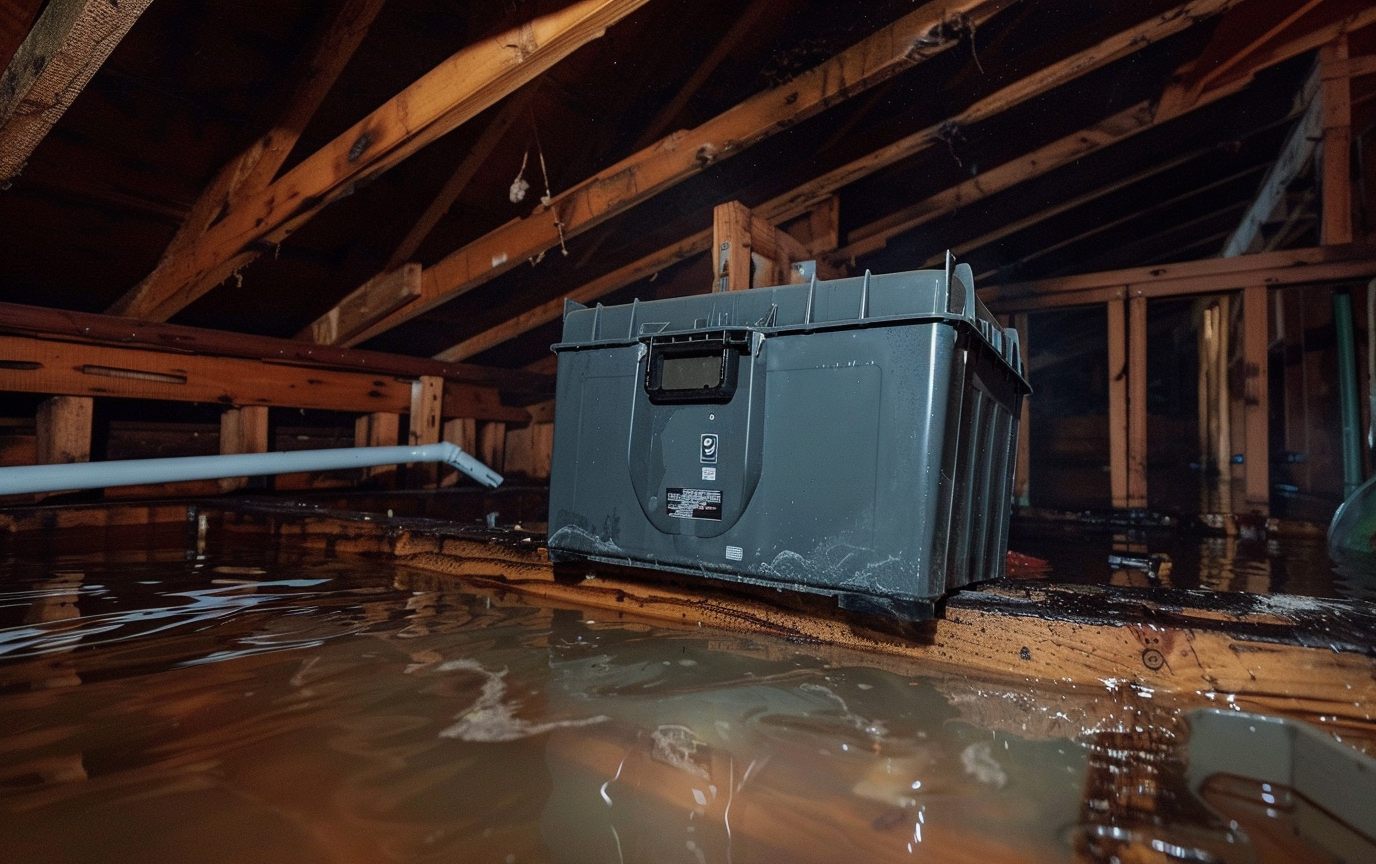
Attic Leaks: AC Condensate Lines and Water Heaters
Why Central Texas attics cause so many ceiling leaks.
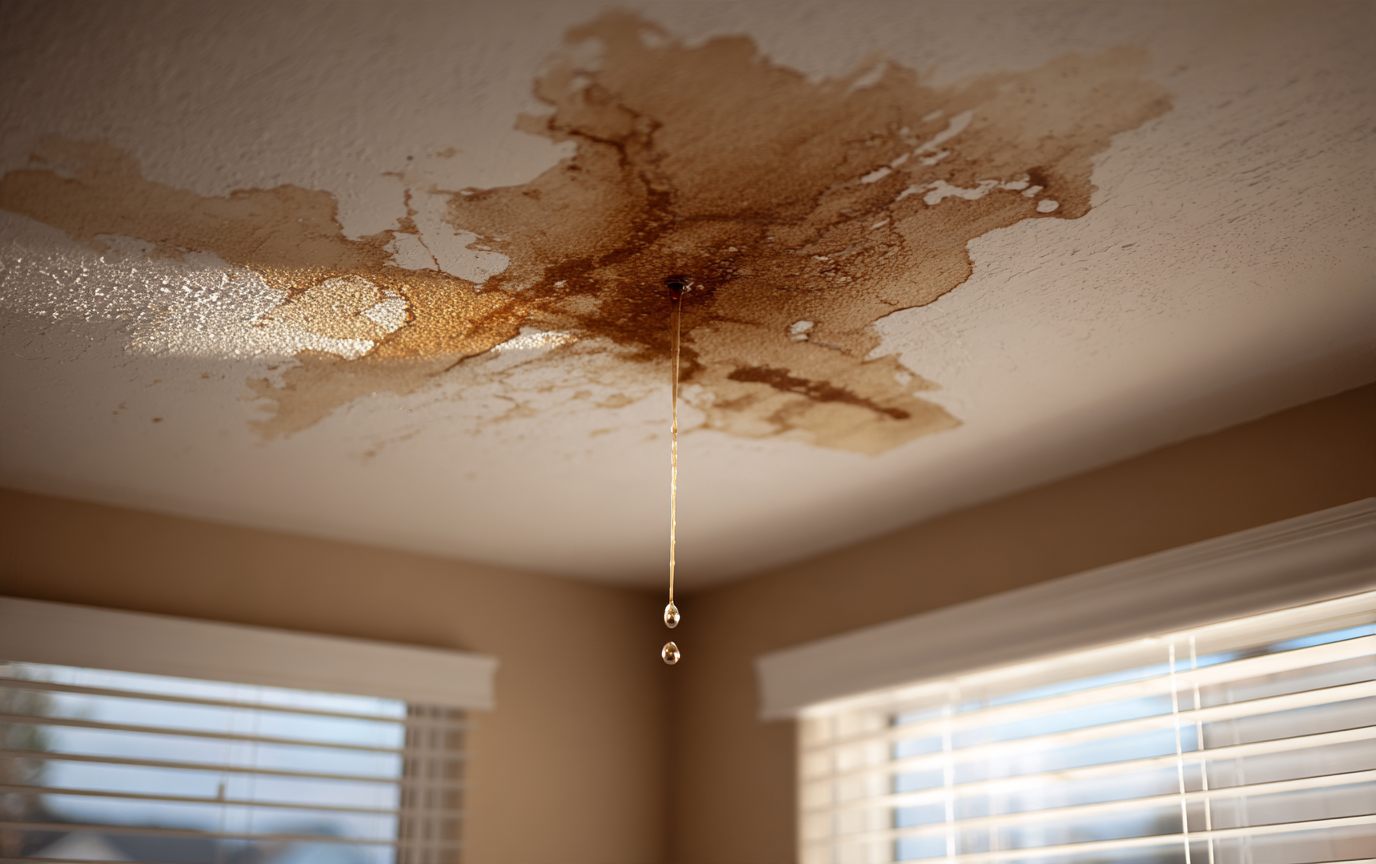
Water Leaking From the Ceiling: What It Usually Means
The four usual sources, and how to tell them apart.